Found in Blood and Organs: The Science of Microplastics in the Human Body (2026 Research)
Found in Blood and Organs: The Science of Microplastics in the Human Body (2025 Research)
WhatisMicroplastics.com is supported by readers like you. If you purchase through our links, we may earn an affiliate commission at no cost to you.
Key Takeaways
The Science is Clear: Recent 2024/2025 research confirms the presence of microplastics in human blood and organs, highlighting that these circulating particles are a serious health concern.
The Risk Factor: Studies link chronic microplastics exposure to triggers like inflammation and cellular damage, underscoring the potential for long-term microplastics health risks.
Actionable Solution: You can meaningfully reduce your intake by switching to non-shedding alternatives, specifically upgrading your water filter (LifeStraw Home) and replacing plastic cookware (Caraway, Lodge) and storage (OXO, Caraway) in your home.
Let’s talk about something uncomfortable but important: microplastics in our bodies. We all know they’re everywhere, but recent groundbreaking studies have fundamentally shifted the conversation. Scientists have confirmed that these tiny polymer fragments are not just in our oceans, they are in us, too.
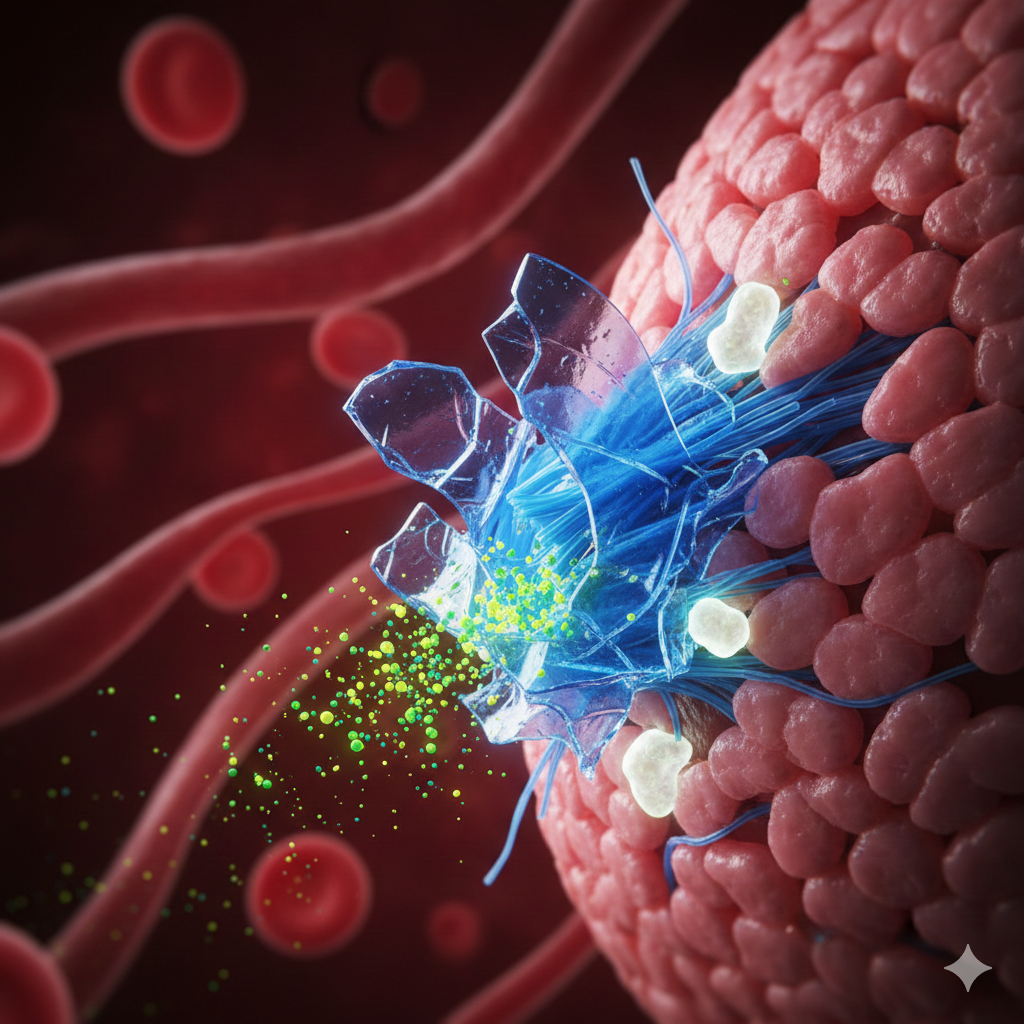
Groundbreaking 2024 and 2025 research confirms the presence of microplastics in human blood, lungs, and even vital organs like the placenta and heart. This is definitive proof that plastic particles can circulate inside the human body.
While the long-term microplastics health risks are still being studied, early evidence links these particles to inflammation and potential hormonal interference. We believe in controlling what we can control by taking smart, proactive steps to protect you and your family.
The New Studies That Changed Everything: They’re In Our Blood
The idea that we’re breathing and eating plastic can feel overwhelming. But understanding how and where they’ve been found allows us to make targeted changes.
2022 Dutch Study – Microplastics in Human Blood
In a pivotal moment for the field, researchers in the Netherlands successfully detected plastic particles in the blood of human volunteers, confirming that tiny plastic fragments are bioavailable for uptake into the human bloodstream
- Key Finding: An astonishing 80% of the anonymous blood samples tested positive for plastic particles.
- Types Found: The most common were PET (used in bottles and clothing) and polystyrene (in packaging).
- Why it Matters: This wasn’t just finding plastic near the body; it confirmed that particles inhaled or ingested are making their way into the bloodstream, the superhighway that carries nutrients (and contaminants) everywhere.
Microplastics Found in Human Organs
Following the blood findings, the discoveries became even more specific, and frankly, eye-opening:
- Lungs: Studies confirmed microplastics lodged deep within human lung tissue, showing that inhalation exposure leads to accumulation, not just temporary passage.
- Placenta: Researchers have found microplastics in the human placenta, leading to widespread concern over fetal exposure and the reality that microplastics in placenta study explained a pathway to our earliest days.
- Arteries & Plaques: Perhaps the most concerning 2024/2025 research linked microplastics and nanoplastics to atherosclerotic plaques, the fatty deposits in arteries.
- Reproductive Tissues: More recently, microplastics have been detected in every human testicle tested, raising significant concerns about reproductive health
Why Scientists Believe Microplastics Can Travel Through the Body
The mobility of these particles boils down to their tiny size.
- Particle Size: While some microplastics are visible, the real movers are nanoplastics (less than 1 micron.)
- Passing Biological Barriers: Nanoplastics are small enough to be absorbed by our cells, allowing them to pass through biological defenses like the gut wall. This answers the question: can microplastics enter your organs? Yes, the smallest particles can be transported by the blood into the deepest tissues.
How Do Microplastics Get Into Our Bodies?
It’s about constant, low-level exposure from a few main sources. Let’s look at the primary ways microplastic contamination happens.
Ingestion: The Kitchen Pathway
This is the most controllable pathway and involves everything we eat and drink.
- Food and Water: Microplastics in food and water, especially bottled water, are a daily intake.
- Kitchen Habits: Heating food in plastic (which accelerates plastic shedding), using plastic cutting boards (knives scrape particles right into your food!), and drinking hot coffee from plastic-lined cups.
Inhalation: The Air You Breathe
Even the cleanest homes are filled with airborne microplastic fibers.
- Synthetic Clothing Fibers: Every time you wash, move, or dry synthetic clothes (polyester, fleece), they release thousands of polymer fragments that settle as household dust, leading to microplastics in lungs.
What Happens When Microplastics Enter the Human Body?
Can microplastics and nanoplastics enter the bloodstream? Absolutely. Once in the body, the immune system treats these particles like foreign invaders causing all types of health issues
Potential Health Risks: The Core Mechanisms
While we’re still collecting data on the long-term effects of bioaccumulation, scientists are focusing on a few key concerns:
- Inflammation: Microplastics can trigger an inflammatory response as immune cells try to neutralize the invaders. Chronic inflammation is a building block for many chronic diseases.
- Hormone Disruption: Plastics contain additives, known as endocrine disruptors, that can leach out and mimic hormones, potentially interfering with your body’s natural regulation.
- Oxidative Stress: These particles can damage cells by generating harmful free radicals.
What Isn’t Known Yet (A Dose of Reality)
As responsible science communicators, we must acknowledge the gaps. We don’t know the “safe” dose, and it will take years of research to definitively prove that microplastics cause specific diseases in humans versus simply being correlated with them. We do know this though, if someone told you or a family to eat a spoon full or plastic particles you would lose your mind. Why? Because you know plastic is bad for you.
How to Reduce Microplastics in Your Body: Our Product Picks
The best defense is a proactive offense. By focusing on the areas where plastic shedding and ingestion are highest, you can achieve a meaningful reduction in your daily exposure. Your not going to be able to control every exposure but most of the microplastics we are getting into our system are from our homes.
Best Overall Reduction Tip: Upgrade Your Water Filter
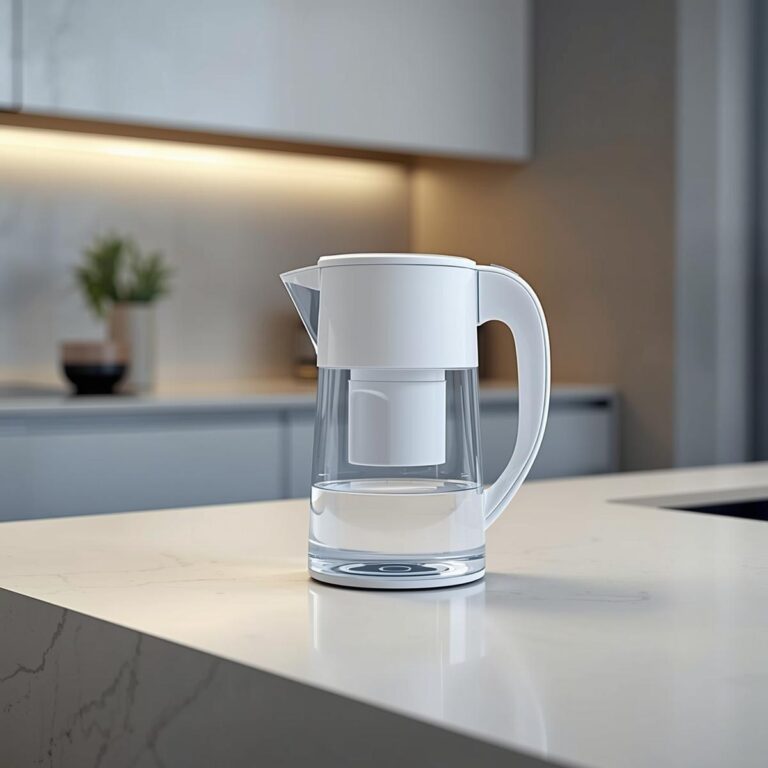
Our Top Pick: LifeStraw Home
Tap water contains fewer microplastics than bottled water, but filtration is still your best bet for peace of mind. Its one of the main ways microplastics are getting into our bodies. Read our full review of water filters here.
Our Pick | Why We Chose It | Where to Buy |
LifeStraw Home | It’s one of the few pitchers proven to remove microplastics. It uses a membrane microfilter that catches particles down to 0.2 microns, along with lead and chemicals. Plus, the pitcher is beautiful, glass design. | |
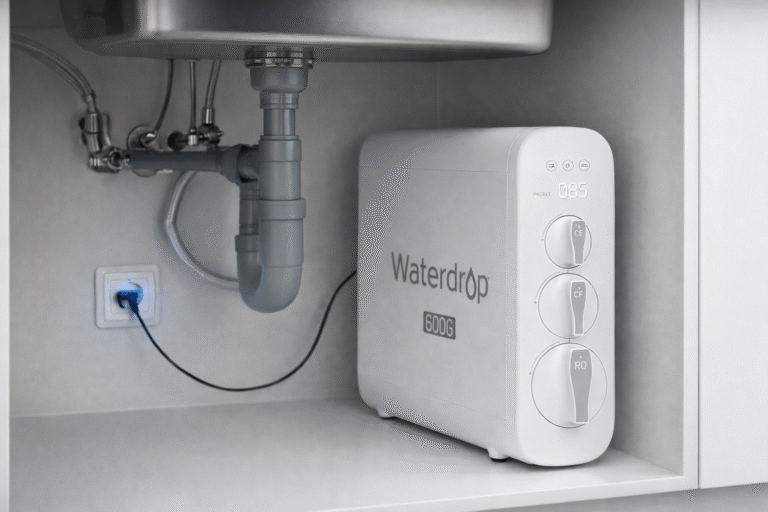
Need More Power? | Reverse Osmosis (RO) systems offer the highest purity, tackling even the smallest nanoplastics and PFAS-free chemical concerns. |
Best for Cookware Swaps: Ditch the Shedders
Top Pick: Caraway Cookware Set | Runner-Up: Lodge Cast Iron Skillet
If you’ve ever seen a scratch on your non-stick pan, you’ve seen potential plastic shedding into your dinner.
Our Pick | The Microplastic Benefit | Where to Buy |
Top Pick: Caraway Cookware Set | Uses a mineral-based ceramic coating that is PFAS-free and doesn’t shed like traditional PTFE (Teflon), eliminating a major source of ingestion exposure. | |
Runner-Up: Lodge Cast Iron Skillet | Zero plastic, zero polymers, zero coatings. It’s an indestructible, natural material that only gets better with age. The gold standard for a PFAS-free kitchen. |
Best for Storage: The Glass Standard
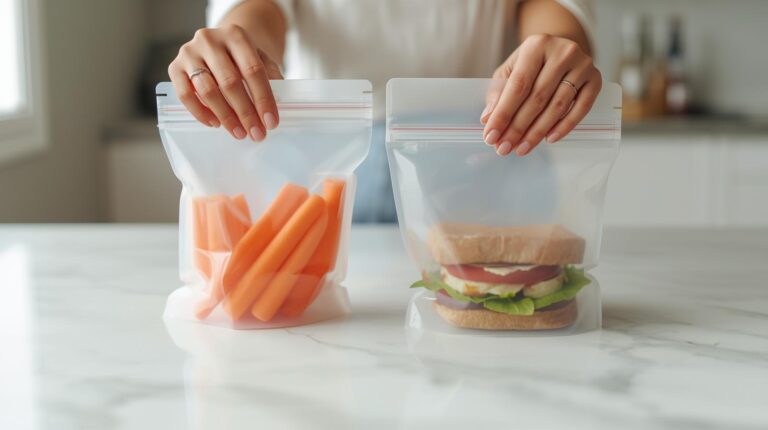
Our Pick: OXO Glass Storage Set | Premium Pick: Caraway 14 Piece Food Storage Set
Our Pick | The Microplastic Benefit | Where to Buy |
Best Budget: OXO Glass Storage Set | Glass vs plastic food containers microplastics is no contest. Glass is inert and doesn’t leach or shed, especially when heated. Essential for safe reheating and food storage. | |
Crafted from non-toxic, ceramic-coated glass, this set is completely free of BPA, PFAS, and other plastics. It also comes with magnetic storage organizers, eliminating clutter. |
Best for Laundry: Catch the Fibers
Our Pick: Guppyfriend Bag
Our Pick | The Microplastic Benefit | Where to Buy |
Best for Reducing Plastic Fibers: Guppyfriend Bag | This washing bag catches synthetic fibers before they go down the drain, significantly reducing microplastic contamination and preventing airborne fibers in your home. |
Trending Now: Stop Inhaling
Trending Pick: Conway Airmega True HEPA Air Purifier
Inhalation is a huge exposure route. A quality air filter is your best ally in how to reduce microplastics in the home. Look for a true-HEPA filter, which can capture airborne nanoplastics and dust before they settle in your lungs.
Are Microplastics Dangerous? What Scientists Currently Say
How dangerous are microplastics to humans? While sensational headlines might tell you to panic, the authoritative take is one of prudent caution.
The fact that particles are found in our blood, arteries, and other organs is undeniably concerning. The biological mechanisms, like triggering an inflammatory response, are real and demonstrated pathways of harm. This is not fear-mongering; it’s recognizing a new challenge, especially given the strong correlation found between plastic particles in arterial plaques and an increased risk of stroke and heart attack.
However, science is still learning the size of the total threat. The immediate advice is practical: Since we can’t control the outdoor environment, let’s control the indoor one. Focus on the actionable steps above, and you will be miles ahead of the curve in protecting your body.
Frequently Asked Questions
Can microplastics pass into your blood?
Yes. As confirmed by the 2022 Dutch study, the smallest particles can cross the intestinal and lung barriers to circulate in the bloodstream (Leslie et al., 2022), allowing them to be transported throughout the body.
Do microplastics cause cancer?
There is no definitive proof yet, but the concern is twofold:
1) the particles themselves can cause cellular damage via oxidative stress, and
2) the chemical additives they carry (like endocrine disruptors) are known carcinogens.
How do microplastics affect the lungs?
Through inhalation exposure, microplastic fibers from clothing and dust lodge in the respiratory tissue, leading to localized inflammation
Do water filters remove microplastics?
The best ones do. Look for certified filters (like RO or the LifeStraw Home) that specify microplastic removal, as standard charcoal pitchers often miss the smallest particles.
How to avoid microplastics in kitchen?
Switch to glass vs plastic food containers, use wood/bamboo cutting boards, replace non-stick pans with cast iron or ceramic (Caraway/Lodge), and never microwave food in plastic.
Final Takeaway
Yes, microplastics are entering human bodies. The science is new but warrants attention. By making smart, intentional product swaps in your kitchen and laundry, you can meaningfully reduce microplastic exposure and take control of your indoor environment.
Ready to start? Your highest-impact change today is upgrading your water. Find the perfect fit: Link to LifeStraw Home