
The Ultimate Beginner's Guide to Microplastics 2026 Edition
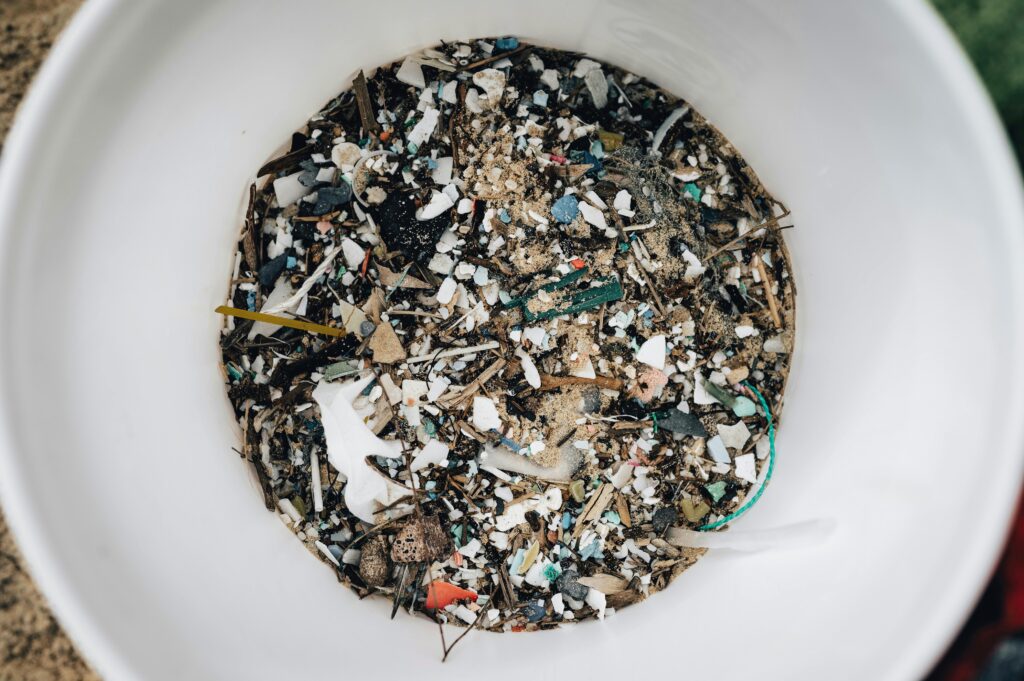
What is Microplastics.com is supported by readers like you. If you purchase through our links, we may earn an affiliate commission at no cost to you.
Key Take Aways
- Microplastics are fragments under 5 mm, but the urgent health concern lies with nanoplastics, which are small enough to pass into your bloodstream and organs, often carrying toxic chemical contaminants like BPA and PFAS.
- The vast majority of your daily exposure comes from three controllable areas: filtering your drinking water, managing synthetic laundry shedding, and avoiding heating food in plastic containers.
- You can start making your house safer by immediately swapping out high-shedding household items and installing effective water filtration systems. See our full expert-vetted list of easy swaps in Section 6.
Microplastics are everywhere—in the water we drink, the air we breathe, the food we eat, and even inside our bodies. These tiny, pervasive particles have quietly become one of the most urgent environmental and health topics of the decade, yet most people only have a basic idea of what they are.
The sheer scale of the microplastic pollution problem can feel paralyzing. It’s hard to fight an enemy you can’t see. But understanding the science behind this contamination is the first and most critical step toward taking back control of your environment.
This beginner’s guide to microplastics is your definitive resource. We’ve sifted through years of complex scientific literature to deliver simple, research-backed, and actionable information—no science degree required. Whether you’re concerned about microplastics in water or the latest microplastics health effects, we will walk you through the facts and provide the clearest possible strategies for how to reduce microplastics exposure in your daily life.
A Note on New Science: It is important to know that research on the long-term human health effects of microplastics is very new. We are at the beginning of this scientific journey. While studies confirm microplastics are inside us, the long-term impact is still being determined, with major studies being released almost daily. Our goal is to rely on the most recent, highest-quality evidence to guide your choices.
By the end of this guide, you will be an expert on:
- Defining the Invisible: Understanding the difference between microplastic fragments and the even tinier nanoplastics.
- The Sources: Identifying the top contributors, from your laundry machine to your car tires.
- The Health Question: A clear look at what science knows about microplastics in humans.
- The Action Plan: Our expert-vetted strategies and product swaps to minimize contamination at home.
Let’s start with the basics: exactly what is this invisible contaminant that has infiltrated our planet?
What Exactly Are Microplastics?
The phrase “microplastics explained” sounds straightforward, but their variety and minuscule size are what make them such a unique challenge.
The Simple Definition
A particle is officially considered a microplastic if it is any fragment of plastic measuring less than five millimeters about 5mm in length. Five millimeters is roughly the size of a standard sesame seed or a pencil eraser.
In short: Microplastics are tiny fragments of plastic that are five millimeters long or smaller.
Most microplastics found in the environment are far smaller than 5mM—some are so tiny they’re only visible under a high-powered microscope. When these particles get even smaller, they cross a critical threshold: the realm of nanoplastics.
- Nanoplastics are any plastic particles smaller than 1micrometer, or often specifically defined as less than 0.1 micrometers.. Their size allows them to bypass many of the body’s natural defenses and filtration systems.
The Two Main Types of Microplastics
Not all microplastics are created equal. They are classified based on their origin, which is crucial for determining how to limit them.
Primary Microplastics
These are plastic fragments that were intentionally manufactured to be microscopic for use in specific products. They enter the environment directly from their source.
| Source | Description & Examples |
| Microbeads | Tiny, spherical particles once common in exfoliants, facial scrubs, and some toothpastes. (Largely banned in North America, but historically a key source.) |
| Industrial Pellets (Nurdles) | The raw plastic resin feedstock used to make nearly all plastic products. Spills during transport release millions of these into coastal waters. |
| Microfibers | Fine threads released from synthetic fabrics (polyester, fleece, nylon) when they are washed, dried, or simply worn down. These are a primary source of indoor air and water contamination. |
Secondary Microplastics
These make up the majority of global microplastic contamination. They are created when larger, macroscopic plastic items break down over time due to weathering, UV radiation from the sun, and mechanical abrasion.
- Breakdown Examples: Plastic bottles, containers, bags, fishing nets, and packaging left in the environment gradually shatter into smaller and smaller pieces.
- Tire Dust: Car tires—which contain various synthetic polymers—shed vast amounts of microplastics onto roads, which are then washed into waterways or aerosolized into the air.
The Hidden Ways Microplastics Enter Daily Life
Microplastics in the environment don’t just come from far-off ocean waste; they come from nearly everything we use every single day. Understanding these sources of microplastics is the key to minimizing your personal exposure.
Top Sources of Microplastics in the Home
Indoor environments can often have significantly higher microplastic levels than outdoor air, largely due to a few common household items:
| Source Category | Impact & Why It Sheds |
| Laundry Shedding from Clothes | Every wash cycle of synthetic clothing (polyester, nylon, acrylic) releases hundreds of thousands of microfibers into the wastewater (Napper & Thompson, 2016), which then enters our municipal water systems. |
| Nonstick Cookware | Frying pans coated with materials like PTFE (Teflon, a type of plastic) shed thousands of micro- and nanoplastic particles when scratched or overheated, contaminating your food. |
| Plastic Food Containers | Storing and, critically, microwaving food in plastic accelerates the breakdown and leaching of plastic polymers into your meal. |
| Carpets and Upholstery | Synthetic carpets and furniture (couches, chairs) are constantly shedding fibers into your household dust, which is then inhaled. |
| Plastic Cutting Boards | The action of cutting and slicing creates microscopic grooves, shedding tiny plastic particles directly onto the food being prepared. |
| Household Cleaning Tools | Plastic dish brushes, synthetic sponges, and micro-fiber cloths themselves can shed particles when used aggressively. |
Summary: The bulk of your exposure comes from the friction and heating of common, everyday plastic items. Simple switches to non-plastic alternatives in these high-risk areas can lead to a drastic reduction in your family’s daily microplastic contamination.
- Ready to see the best swaps for your kitchen and laundry? Click Here to See Our Top Picks
Where Microplastics Are Found (Spoiler: Everywhere)
If you’ve heard the term microplastic contamination, you might imagine a polluted beach or a vast ocean gyre. The reality is far more intimate: microplastics are now integral components of the modern human environment, meaning they are found literally everywhere—including deep inside our homes and bodies.
Here is the scientific breakdown of the four key areas where these invisible pollutants are found.
Water (Tap, Bottled, Filtered)
The journey of microplastics often begins or ends in water, making it one of the primary vectors of daily exposure.
Microplastics in Drinking Water
Scientific studies, including a landmark 2018 study by Orb Media and researchers from the University of Minnesota, have consistently shown that microplastics are present in both tap and bottled water worldwide, with over 80% of global tap water samples testing positive for plastic fibers.
How They Enter Your Drinking Water:
- Pipe Systems and Infrastructure: As plastic pipes and linings age, they can shed particles directly into the water supply.
- Bottled Water: Paradoxically, bottled water often contains higher levels of microplastics than tap water. A major 2018 analysis by Mason et al. found contamination in 93% of bottled water samples, confirming that the packaging and bottling process is a significant source.
- The Nanoplastic Revelation: A breakthrough 2024 study led by Columbia University used advanced laser technology to find that an average liter of bottled water contained approximately 240,000 plastic fragments, with an astonishing 90% of these being the more dangerous nanoplastics (particles small enough to enter individual cells).
| Water Source | Contamination Summary |
| Tap Water | Confirmed contamination from municipal pipes, treatment plant overflow, and household plumbing. |
| Bottled Water | Significantly higher concentrations, often generated by the bottle material itself and containing high levels of nanoplastics. |
The Filtration Challenge
Standard pitcher filters, the kind that use basic granulated activated carbon, are excellent for improving taste (removing chlorine) but are often not effective at removing microplastics. Why? Because the pores are too large to catch particles down to the micro- and nano-scale.
What Actually Works for Microplastics:
To effectively remove microplastics from your drinking water, you need a system that uses ultra-fine physical barriers:
- Reverse Osmosis (RO): This system forces water through a semi-permeable membrane with incredibly small pores, effectively blocking nearly all suspended solids, including microplastics and nanoplastics.
- Advanced Carbon Block Filters: These filters compress activated carbon into a solid block, creating a tortuous path that traps particles down to 0.5 micrometers or less.
- Ultrafiltration/Microfiltration: These systems use specialized membranes that physically block particles down to 0.1 micrometers.
Our Recommendation: For the most complete peace of mind regarding microplastics in water, we consistently recommend a certified Reverse Osmosis system, particularly for drinking and cooking water. While they require more complex installation than a pitcher, the removal rate is unmatched.
Product Tip: We recommend the Aquasana OptimH2O Reverse Osmosis System for its high flow rate and certified 99.9% removal of micro- and nanoplastics.
- To dive deeper into the effectiveness of different home systems read our article:
Microplastics in Water: 5 Powerful Filters That Actually Work
Food
The phrase “we are what we eat” is taking on a concerning new meaning. Microplastics have been found in food across nearly every category.
Where They Are Found in Your Diet:
- Seafood: Fish and shellfish (especially mussels and oysters) ingest microplastics in polluted waters.
- Salt: Salt harvested from the sea is often contaminated with microplastics carried in the seawater.
- Produce: Studies show microplastics are present in soil, meaning root vegetables like carrots and radishes can absorb them through their vascular systems.
- Tea Bags: Many commercial tea bags are made partially or entirely of plastic (like polypropylene or nylon) to help them hold their shape when steeped. Brewing one tea bag can release billions of micro and nanoplastic particles.
- Heating and Packaging: This is a major, often overlooked source. When we heat food in plastic containers (especially in a microwave) or even store oily/acidic foods in them, the plastic degradation rate skyrockets, leading to massive particle release directly into your meal.
Actionable Tip: Never microwave food in a plastic container. Transfer the food to a ceramic or glass dish before heating to drastically reduce the potential for microplastic contamination from the container itself.
Air & Household Dust
This is arguably the most significant source of daily microplastic exposure, especially for those who spend most of their time indoors. The problem here is the pervasive nature of microplastics in the air and household dust.
The Indoor Air Contamination Cycle:
- Shedding: Fibers are being constantly shed from synthetic clothing, carpets, and upholstered furniture.
- Aerosolization: These fibers become suspended in the air.
- Deposition: They settle, becoming part of the household dust.
- Resuspension: Walking, vacuuming, or even opening a window stirs the dust, launching the microplastic fibers back into the air where they can be inhaled.
Human Bodies
Scientific understanding is rapidly advancing, and the news is clear: microplastics are in humans.
Recent landmark studies have confirmed the presence of plastic polymers in places scientists previously thought were shielded:
- Blood: A pivotal 2022 study by Leslie et al. reported the first ever discovery and quantification of microplastic particles in human blood samples, proving that plastic is circulating throughout our bodies.
- Placenta: In a shocking 2021 finding, Ragusa et al. provided the first evidence of microplastics within the human placenta, suggesting that exposure can occur before birth.
- Nanoplastics and the Barrier Breach: The confirmed presence of these particles, especially the tiny nanoplastics, in our bloodstream has driven urgent research into their ability to cross biological barriers, like the blood-brain barrier.
- For the latest on human biological impact: [Internal Link: Are Microplastics in Our Blood?]
Health Effects of Microplastics (What Science Knows So Far)
This section is where the science is most rapidly evolving and, understandably, where reader concern is highest. We know microplastics are in humans, but what exactly does that mean for our health?
As noted in the introduction, the long-term effects of exposure are not yet known. We are currently in the research phase—moving from detection (finding them in blood, lungs, etc.) to impact (determining if their presence causes disease or dysfunction).
Based on current laboratory, animal, and epidemiological studies, scientists have identified several areas of known risk and suspected impact.
Two Major Ways Microplastics Can Harm the Body
The potential health risk from microplastic and nanoplastic particles is twofold. It’s not just the plastic itself, but what the plastic carries.
Physical and Biological Stress from the Particle
The physical presence of the plastic can cause direct harm, especially with the tiny, mobile nanoplastics:
- Chronic Inflammation: When the body recognizes a foreign material (like a plastic particle), it mounts an immune response. If this happens constantly—as with daily exposure—it leads to chronic, low-grade inflammation, which is a known risk factor for many diseases.
- Cellular Damage and Oxidative Stress: The smallest particles (nanoplastics) can penetrate cell membranes. Once inside, they can interfere with normal cell function, damage mitochondria (the cell’s power plants), and cause oxidative stress, which accelerates aging and damage.
- Lung Irritation: Inhaled microfibers, once lodged deep in the lung tissue (as detected in surgical patients), can cause localized inflammation and potentially contribute to conditions like asthma or chronic obstructive pulmonary disease (COPD).
- Reproductive and Hormonal Effects: Studies on mice suggest high microplastic exposure may affect sperm quality and quantity, raising concerns about potential reproductive effects in humans.
Acting as Chemical Carriers (The Toxic Hitchhikers)
This is arguably the most immediate and complex health concern. Plastic is not a clean, inert material. It is manufactured with additives, and once in the environment, it acts like a sponge, attracting and concentrating other pollutants from the surrounding water or soil.
When you ingest or inhale a microplastic particle, you may also be introducing a cocktail of known toxins:
| Chemical Group | Impact & Why It’s Carried |
| BPA/Phthalates | Hormone Disruption. These plasticizers are added to make plastic flexible and are known endocrine-disrupting chemicals (EDCs). |
| PFAS (“Forever Chemicals”) | Immune & Liver Damage. These highly toxic chemicals stick readily to the surface of microplastics in the environment. |
| Heavy Metals | Neurotoxicity. Lead and cadmium can adsorb onto plastic surfaces in water and be transported into the digestive tract. |
| Flame Retardants | Neurological Effects. These chemicals are often used in synthetic furniture and can be found on shed microfibers, contributing to both inhalation and ingestion exposure. |
Expert Take: The World Health Organization (WHO) emphasizes that the health effects are complex and likely depend on the size, shape, and chemical load of the plastic particles. The smaller the particle, the greater the potential for systemic toxicity due to cellular uptake and chemical transfer.
Potential Links Still Under Intense Study
While there are no definitive clinical studies linking microplastic exposure directly to major human diseases yet, research is focused on potential connections to:
- Cancer: The role of chronic inflammation and endocrine disruption (caused by carried chemicals) in cancer development is a major area of investigation.
- Gut Health: Microplastics traveling through the gut may alter the microbiome, potentially leading to gastrointestinal distress or chronic health issues.
We cannot stress enough that the science is not settled on long-term disease. However, the presence of plastic and the high likelihood of co-ingesting toxic, unregulated chemicals adsorbed onto their surfaces provides a compelling, evidence-based reason to minimize your exposure immediately.
- For detailed research on plastics in our blood: Are Microplastics in Our Blood?
Environmental Impact
While our personal health concerns often drive the conversation, the global environmental impact of microplastic pollution is where the problem truly began. Microplastics are fundamentally changing natural ecosystems, from the ocean depths to fertile farmlands, in complex and damaging ways.
The environmental fallout of billions of tons of plastic waste fragmenting into micro and nanoplastics presents challenges across three major realms: aquatic life, soil health, and global ecosystems.
The Marine Crisis
The ocean is the final sink for most plastic waste, making marine life the most severely impacted group.
- Ingestion and Bioaccumulation: Fish, birds, and marine mammals mistake colorful microplastic fragments for food. When ingested, the plastic provides no nutritional value, leading to starvation and physical blockages. Furthermore, the toxins the microplastics carry can transfer to the animal’s tissues (bioaccumulation), potentially moving up the food chain.
- Physical Harm: Large amounts of microfibers and fragments can irritate and physically damage the digestive systems of filter feeders, such as mussels, oysters, and zooplankton, the tiny organisms that form the base of the marine food web.
- Oxygen Cycle Interference: A significant portion of the world’s oxygen is produced by phytoplankton. Microplastics have been shown to interfere with the growth and photosynthetic capacity of these critical microorganisms, threatening the health of the entire ocean and, consequently, our atmosphere.
Contamination of Soil and Agriculture
When we think of plastic pollution, we often look to the sea, but scientific data suggests there may be far more microplastics in terrestrial soil than in the oceans.
- Fertilizer and Sludge: A major pathway for contamination is through sewage sludge (biosolids), which is often used as fertilizer on agricultural land. Since our wastewater treatment plants don’t fully remove microplastics, the sludge deposited on fields contains vast quantities of microfibers and fragments from our clothes and cosmetics.
- Interference with Plant Health: Studies show microplastics can affect soil porosity and water holding capacity, impacting the physical structure that plants rely on. Furthermore, the presence of plastic can interfere with the way plants take up water and nutrients, potentially lowering crop yields.
- Earthworm Damage: Earthworms, vital for soil aeration and health, ingest microplastics, which can inhibit their growth, reproduction, and overall function, damaging the long-term fertility of the land.
Toxin Transport and Ecosystem Spread
Microplastics don’t stay in one place; they are highly mobile carriers of pollutants.
- Global Distribution: Microplastics are now found in polar ice caps, remote mountain snows, and high-altitude air currents. This means they are acting as a global distribution network, carrying both their own material and the adsorbed toxins across once-pristine ecosystems.
- Invasive Species: Plastic debris can facilitate the movement of invasive species by providing a buoyant raft for organisms (bacteria, algae, and small animals) to travel far beyond their native range, disrupting local biodiversity when they arrive.
The environmental case for addressing this issue is clear: microplastic pollution threatens foundational ecological processes, from the air we breathe to the food we grow.
- For detailed research on plastics in our waters: Microplastics in Oceans
Practical Guide: How to Reduce Microplastics at Home
The scale of microplastic pollution is daunting, but your exposure is largely controllable. Because the biggest sources of contamination are in your home (your water, your laundry, and your kitchen), you have the power to make significant changes immediately.
This is our expert-vetted, three-pronged plan for how to reduce microplastics exposure effectively.
In the Kitchen: Banish Heat and Friction
The kitchen is a hot zone because high temperatures and abrasive cleaning cause plastic to shed rapidly. Focus on replacing plastic in contact with heat or food.
| Microplastic Source | Simple Solution | Expert Product Recommendation |
| Plastic Food Storage | Switch to glass, stainless steel, or ceramic containers for leftovers and meal prep. | GlassLock Food Container Set |
| Microwaving | NEVER microwave food in plastic (even if it’s “microwave-safe”). Transfer food to a glass or ceramic plate first. | |
| Nonstick Cookware | Ditch scratched Teflon/PTFE pans, which shed plastic when heated. Switch to cast iron, stainless steel, or ceramic (PTFE-free). | Caraway Ceramic Cookware Set |
| Plastic Cutting Boards | Replace with wood or bamboo cutting boards. Studies show plastic boards shed thousands of particles when cut. | Bamboo Cutting Board |
| Plastic Utensils & Sponges | Use wooden or silicone utensils for stirring. Switch to natural loofah, wood pulp, or coconut fiber sponges/scrubbers. | Ecological Dish Brush Set |
| Water | Use a filtration system certified to remove fine particles (RO or advanced carbon block). | Aquasana OptimH20 Reverse Osmosis system |
- For a deep dive into de-plasticizing your kitchen: CLICK HERE TO LEARN MORE
Laundry & Textiles: Stopping the Fibers
Synthetic textiles are a primary source of both environmental and indoor microplastic contamination. A large portion of your exposure comes from the clothes you wear and wash.
| Microplastic Source | Simple Solution | Expert Product Recommendation |
| Washing Clothes | Install a washing machine filter to catch microfibers before they enter wastewater. Wash clothes less often, or wash on a gentle cycle. | Filtrol Microfiber Filter |
| Synthetic Fabrics | When buying new, prioritize natural fibers (cotton, linen, wool, hemp) or semi-synthetics (Tencel, Modal). Use a laundry bag for fleeces and yoga wear. | Guppyfriend Washing Bag |
| Drying Clothes | Air-dry clothes when possible. High heat and tumbling in the dryer break down fibers faster and release them through your vents. | Clothes Line (Old School) |
| Personal Care | Avoid products listing PE, PP, PET, or acrylates. Switch to bar soaps and shampoos to eliminate plastic packaging. | Ethique Bar Set |
- For the complete guide on minimizing fiber shedding: [Internal Link: Beauty & Clothing Pillar Article]
Family & Kids: Protecting Your Family
Since nanoplastics are small enough to cross the placenta and babies’ developing organs are sensitive to endocrine disruptors, minimizing exposure in the nursery and kitchen is crucial.
| Microplastic Source | Simple Solution | Expert Product Recommendation |
| Baby Bottles & Cups | Use glass baby bottles and switch to stainless steel sippy cups as soon as possible. | Philips Avent Natural Glass Baby Bottles |
| Heating Baby Food | Never heat or warm milk/formula in plastic. Use glass containers, and heat the container in a bowl of hot water. | Philips Avent Premium Fast Bottle Warmer |
| Plastic Toys | Choose toys made from wood, natural rubber, or stainless steel. Avoid PVC or hard plastic toys that are frequently chewed or tossed. | Wooden Toy Block Set |
- For specific recommendations for toddlers and children: [Internal Link: Family & Kids Pillar Article]
What Governments & Scientists Are Doing
The problem of microplastic pollution is too large for individual action alone. Fortunately, regulatory bodies and scientific labs around the world are working urgently to contain the sources and develop solutions.
Regulation and Policy Examples
Governments are primarily focused on banning known, intentional sources of primary microplastics and tackling industrial waste:
- The Microbead Ban: The most successful early action was the banning of plastic microbeads in wash-off cosmetics in the US (Microbead-Free Waters Act), Canada, and the EU. This eliminated a major source of primary microplastics from our waterways.
- EU Microplastics Ban: The European Union is enacting a sweeping ban (rolling out between 2023–2027) on intentionally added microplastics in a massive range of products, including detergents, paints, and artificial turf.
- Textile Regulations: New legislation is emerging in Europe requiring manufacturers to integrate solutions (like built-in filters) to reduce microplastic fiber shedding during washing.
- Global Treaties: The United Nations is working toward a Global Plastics Treaty, aiming to establish legally binding international standards to reduce plastic production and pollution worldwide.
Emerging Science and Technology
Scientists are racing to create effective, scalable technologies to manage and eliminate microplastics from the environment and our homes.
- Nanoplastic Detection: The breakthrough studies finding nanoplastics (like the 2024 PNAS study) are a result of developing highly sensitive laser and imaging technologies that can finally measure and analyze particles far smaller than previously possible.
- Advanced Filtration: Innovations are focusing on creating new membrane technology and bio-filtration systems (using natural or modified organisms) to efficiently capture ultra-fine particles from municipal water and industrial outflow.
- Plastic Alternatives: The push for truly biodegradable or compostable polymers and safe bio-based plastics is intensifying, though the industry is grappling with greenwashing and ensuring alternatives don’t simply create new environmental problems.
- To stay up-to-date on all the latest breakthroughs: Sign up for our NewsLetter Here
Final Summary and Your Next Step
What is microplastics? They are tiny plastic particles found everywhere, in water, food, air, and inside our bodies.
This definitive guide provided the facts: Microplastics are fragments under $5 \text{ mm}$, they are often accompanied by dangerous nanoplastics, they infiltrate our homes through laundry and cooking, and they carry concerning health implications—even if the long-term effects are still under study.
While the problem of microplastic pollution is global, your solution is personal. The most powerful actions you can take today involve simple, high-impact switches in your daily routine: filtering your water, upgrading your kitchenware, and managing your synthetic laundry.
By reducing plastic at the source—especially where it meets heat, friction, or your drinking water—you can significantly limit your personal exposure and reduce the contamination your household sends into the environment.
This guide is your introduction to the topic. Now it’s time to move from knowledge to action. Explore our dedicated category pages below to find the best, expert-recommended solutions for your life.
- Home: See the best water filters and kitchen swaps.
- Beauty & Clothing: Find our favorite laundry solutions and microbead-free products.
- Family & Kids: Discover safe alternatives for bottles, toys, and food storage.
- Learn: Dive deeper into the science, regulation, and emerging news.
Pingback: The Best Shampoo Bars That Actually Work (And Won't Ruin Your Hair!) -
Pingback: Reverse Osmosis: The Best Filter for PFAS and Microplastics
Pingback: Waterdrop G3P600 Review: Best Tankless RO for Families