The Lower-Tox Christmas Table: Glass, Cotton and Linen for the Big Meal
As an Amazon Associate I earn from qualifying purchases. This post contains affiliate links, which means I may earn a commission if you buy through them, at no extra cost to you.
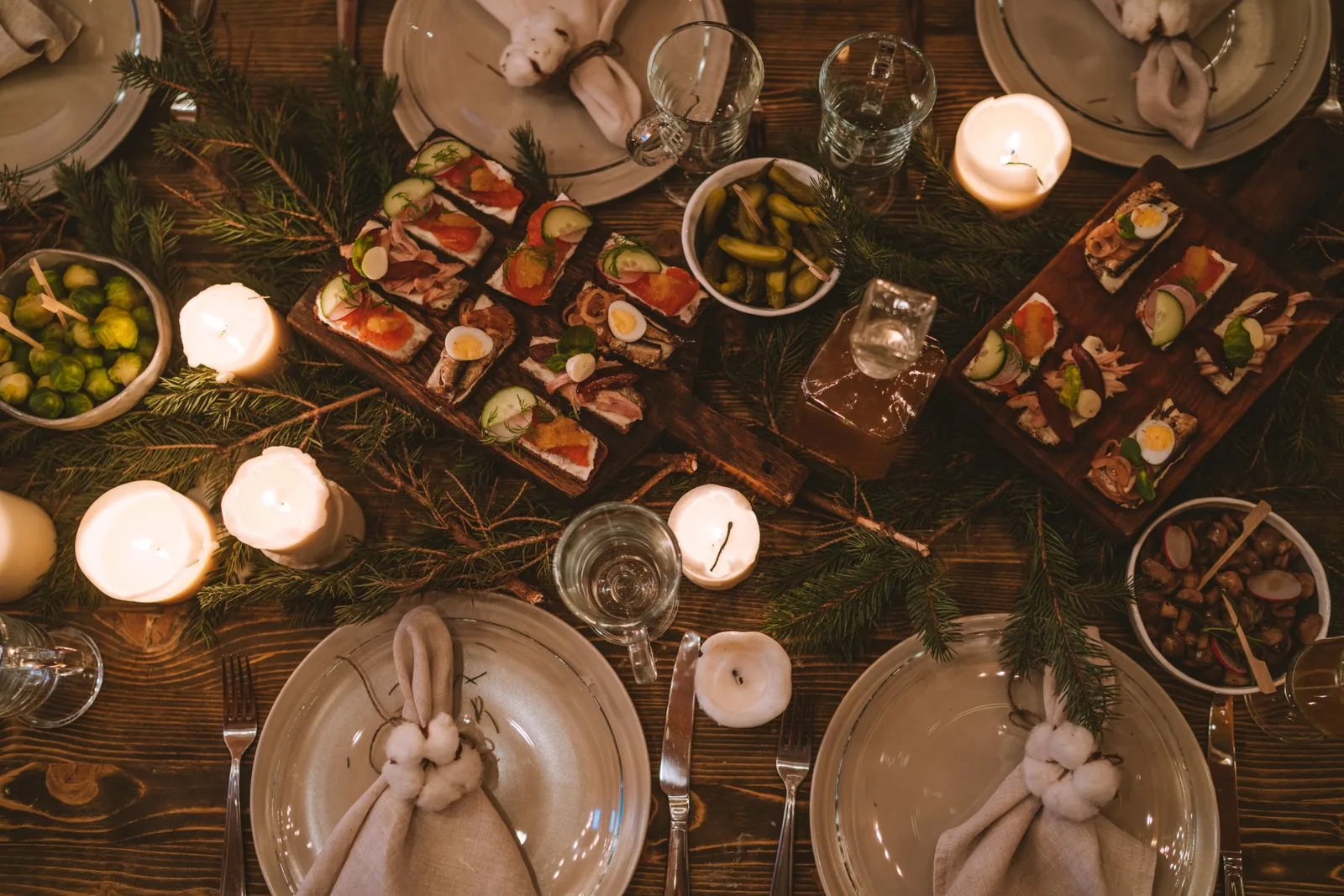
The quick version: Christmas dinner is the hottest, fattiest, longest-sitting meal of the year, which makes it exactly the meal where plastic serving ware gives up the most chemistry. The fix is boring in the best way: serve it on glass, ceramic and steel, dress the table in cotton and linen, and send leftovers home in glass. Start with the Corelle Vitrelle 18-Piece Dinnerware Set for plates that shrug off chips, add the Duralex Picardie Tumblers for drinks, and finish with real cloth: the Solino Home Pure Linen Napkins and a cotton tablecloth instead of the polyester one.
Nothing here asks you to throw out Grandma’s china. There is a short, honest section below on vintage glazes, and the goal is the same as every guide on this site: a better next purchase, and the steaming food moved off plastic today, with what you already own if you have it.
Why Does the Christmas Table Deserve a Second Look?
Most meals touch plastic briefly, if at all. Christmas dinner is different. The food is hot, much of it is fatty (gravy, butter, roasted meats, cream in everything), and it sits out for hours while people go back for seconds. Heat, fat and time are the three things that pull chemicals out of plastic and into food, and this one meal maxes out all three.
The clearest demonstration used the melamine bowls sitting in half the kitchens in America. In a 2013 study in JAMA Internal Medicine, researchers at Kaohsiung Medical University in Taiwan fed volunteers hot noodle soup from melamine bowls one week and ceramic bowls another. After the melamine meals, the volunteers excreted more than six times as much melamine in their urine (8.35 micrograms over 12 hours, versus 1.31 from ceramic). Melamine is a plastic, and hot liquid pulled it straight into the soup. The study was small and one meal is not a poisoning, but it proved the direction of travel: hot food plus plastic equals measurable migration.
Heat alone does plenty. In a 2023 study in Environmental Science & Technology, University of Nebraska-Lincoln researchers measured what microwaving does to plastic food containers and found up to 4.2 million microplastic particles, and billions of smaller nanoplastic particles, released per square centimeter of plastic in three minutes. Nobody microwaves the Christmas ham at the table, but plenty of us reheat the sides in the plastic tub they were stored in, then serve them in it too. That is the habit this guide is really after.
One more honest wrinkle: the vintage and hand-painted ceramics many families bring out once a year. The FDA has warned for decades that lead used in some traditional and older ceramic glazes can leach into food, especially acidic food like cranberry sauce and tomato-based dishes, and especially from pieces that are chipped, crazed or made before modern standards. Keep the heirloom platter for rolls and display. Serve the saucy, acidic, steaming food on modern glass instead. Our plastic-free food storage guide covers what happens after the meal; this guide covers the meal itself.
How We Picked These
Material first: glass, stoneware-grade ceramic, wood, stainless steel, cotton and linen. No melamine, no plastic dinnerware, no polyester table linens, no vinyl tablecloths. Heat-ready: anything meant to hold hot food had to be glass or ceramic, not a coated substitute.
Real hosting test: big enough for a crowd, dishwasher-friendly where possible, and priced like things normal families actually buy before Christmas, not registry fantasies. Where a pick has a real catch, like plastic lids on glass storage, the catch is printed on the pick. We research and compare; we do not invent testing claims.
Get Our Free Room-by-Room Microplastic ChecklistJoin the newsletter and get the checklist free →
The Picks at a Glance
| Pick | Material | Best for | Watch out for |
|---|---|---|---|
| Corelle Vitrelle 18-Piece Set | Triple-layer glass | The everyday-to-Christmas dinner plates | Can shatter if dropped on tile; no mugs in this set |
| Anchor Hocking 10-Piece Bowl Set | Glass | Serving sides, salads and sauces | Not tempered; inspect rims for chips |
| Ironwood Gourmet Charleston Board | Acacia wood, end grain | Carving the roast and serving cheese | Hand wash only; needs oiling |
| Duralex Picardie Tumblers | Tempered glass | Water, juice and everything cold | Order a size up if you like tall glasses |
| Solino Home Linen Napkins | 100% European flax linen | Cloth napkins that replace paper and polyester | Linen wrinkles; that is the look, or iron them |
| DII Tartan Plaid Cotton Tablecloth | 100% cotton | A Christmas cloth that is not polyester or vinyl | Cotton can stain; treat spills the same night |
| Pyrex Simply Store 18-Piece Set | Glass (plastic lids) | Leftovers and send-home portions | Keep the lids off the food and out of the microwave |
The Plates and Bowls
Start where the food actually lands. A Christmas plate holds hot, fatty food for the length of a long meal, so this is not the place for melamine, bamboo-fiber composites (which are usually melamine resin in a costume), or the chipped vintage set. It is the place for glass.
Corelle Vitrelle 18-Piece Dinnerware Set: The Workhorse
The Corelle Vitrelle 18-Piece Dinnerware Set in Winter Frost White is three layers of laminated glass, which is why it behaves like no other plate: feather-light, stackable in half the cabinet space of stoneware, and famously resistant to chips and cracks. You get six dinner plates, six appetizer plates and six bowls, it is made in the USA, and it goes from oven (up to 350 degrees) to table to dishwasher. The plain white is a feature at Christmas, not a compromise: the food and the tablecloth do the decorating, and the same set works the other 364 days.
The honest catches: glass this thin can shatter if a plate lands edge-first on tile, and when Vitrelle breaks it breaks into shards, so sweep carefully. There are no mugs in this set either; Corelle’s stoneware mugs are sold separately. And while patterned Corelle is widely tested as a modern product, skip the pre-2005 decorated sets at thrift stores for daily use, since older decorative patterns are the ones that show up in lead-testing conversations. This current, plain white set is the safe buy.
Anchor Hocking 10-Piece Glass Bowl Set: Every Side, Covered
Mashed potatoes, green beans, gravy boats you do not own: the sides are where plastic tubs sneak onto the table. The Anchor Hocking 10-Piece Glass Mixing and Serving Bowl Set nests ten glass bowls from a 1-ounce pinch bowl up to a 4.5-quart serving bowl, so there is a glass home for everything from cranberry sauce to the big salad. Anchor Hocking has made glass in Ohio for over a century, the bowls are microwave and dishwasher safe, and they nest into the footprint of the largest one.
Two honest notes. This glass is not tempered the way Duralex is, so avoid thermal shock: do not move a bowl straight from fridge to a hot oven, and give the rims a quick finger-check for chips before the big day, since a few reviewers report chipped rims out of the box. And the smallest bowls are genuinely tiny. Think salt, sprinkles and the butter dish’s backup, not servings.
Browse Our Full Amazon StorefrontAll our non-toxic kitchen and holiday picks in one place →
Serving Pieces and Drinkware
The roast needs a board, not a plastic tray, and the drinks need glass that can survive a house full of kids and elbows. Two picks handle both jobs for years.
Ironwood Gourmet Charleston End Grain Board: Carve on Wood
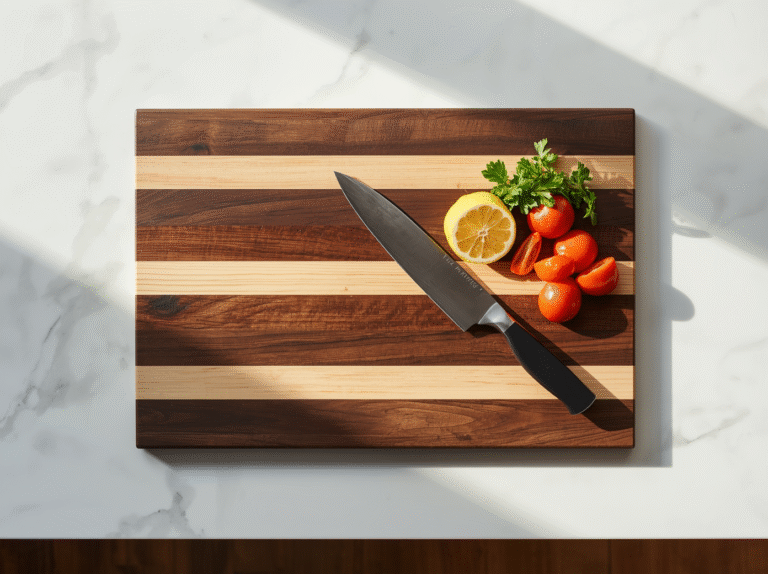
The Ironwood Gourmet Charleston End Grain Board with Channel is a 20 by 14 inch slab of acacia end grain, the construction chefs prefer because the knife edge slides between wood fibers instead of dulling across them. The juice channel holds up to 10 ounces, which matters when a rested roast gives up its juices at the table, and the flip side is flat for cheese, bread and the cookie course. Acacia is dense, naturally water-resistant for a wood, and handsome enough to stay on the table as the serving piece itself.
The catches are maintenance, full stop: hand wash, dry right away, never soak it, and rub it with board oil when it starts to look dry. It is also genuinely heavy at over six pounds, which is stability on the table and a workout in the sink. Treat it like the heirloom it is priced as, and it outlasts every plastic cutting board in the drawer.
Duralex Picardie Tumblers: The Glasses Already in Our Gift Guide
We recommend the Duralex Picardie Tumblers in our Christmas gift guide, and the table is where they earn it. Picardie is the original French cafe tumbler, tempered glass made in France since 1945, and tempering makes it more than twice as impact-resistant as ordinary glass. They stack, they survive the dishwasher daily, and the faceted shape is easy for small and elderly hands to grip. If one ever does break, tempered glass crumbles into small blunt pieces instead of long shards, which is the failure mode you want around bare feet and kids.
The only real decision is size: the Picardie line runs from espresso-small to a tall 16-ounce, and the mid sizes are the sweet spot for water and juice at a crowded table. They are clear glass with no decoration, which again lets the table do the talking. Plastic cups are the single easiest swap at a kids’ table, and these are the glasses that end the argument about breakage.
The Linens: Where Polyester Hides
Table linens are the sneakiest plastic on the table. Most “linen-look” tablecloths and napkins are polyester, the wipe-clean Christmas cloths are often vinyl (PVC) over a synthetic backing, and both shed microfibers into the wash all year. Real cotton and flax linen cost a little more and behave completely differently: they absorb, they soften, and they are still in service a decade later. While you are looking at fabric, our plastic-free gift wrapping guide covers the cloth side of the presents, too.
Solino Home Pure Linen Hemstitch Napkins: The Real Thing
The Solino Home 100% Pure Linen Hemstitch Dinner Napkins are exactly what the name says: 100% European flax linen, a generous 20 by 20 inches, with hand-finished hemstitch and mitered corners, in a set of four. Linen is stronger wet than dry, absorbs a gravy incident without going limp, and gets softer every wash, which is why restaurants that can afford the laundry use it. The listing carries a deep bench of colors, including the natural flax tone that goes with everything.
Honest linen talk: it wrinkles, proudly, and if a pressed-flat look matters to you, budget five minutes with a steam iron while they are slightly damp. It also costs more per napkin than the polyester dozen at the party store, which is the actual trade: a set you wash and keep for years, against a set that sheds fibers and looks tired by New Year’s. Buy two sets of four for a table of eight and you are done for a decade of holidays.
DII Tartan Plaid Cotton Tablecloth: Christmas Pattern, Cotton Cloth
If you want the full red-and-green plaid moment without a polyester cloth, the DII Tartan Plaid Cotton Tablecloth is the rare holiday print on 100% cotton. This 60 by 104 inch size seats a proper Christmas crowd, the plaid is woven with holly accents rather than printed on plastic, and it is machine washable, because a Christmas tablecloth that cannot go in the wash is a tablecloth that gets used once. DII makes a whole coordinated tartan line, so matching napkins and runners exist if you want them.
The catches: cotton drinks up red wine and gravy happily, so treat spills the same night rather than discovering them in January, and wash it cold and separately the first time, as with any saturated plaid. It will also come out of the dryer wanting a quick iron. In exchange you get the most Christmas-looking cloth on this page with zero plastic in it, warm instead of clammy under the plates.
Join Our Free Facebook GroupNon-Toxic Family Living: parents sharing swaps that work →
After the Meal: The Leftover Handoff
The table gets cleared, and the day’s riskiest plastic moment arrives: hot leftovers spooned into plastic tubs, sealed warm, and reheated in the same tub two days later. Break the chain at the container. Pack leftovers once they have cooled a bit, in glass, and reheat them in that same glass with the lid off.
Pyrex Simply Store 18-Piece Set: The Leftover System
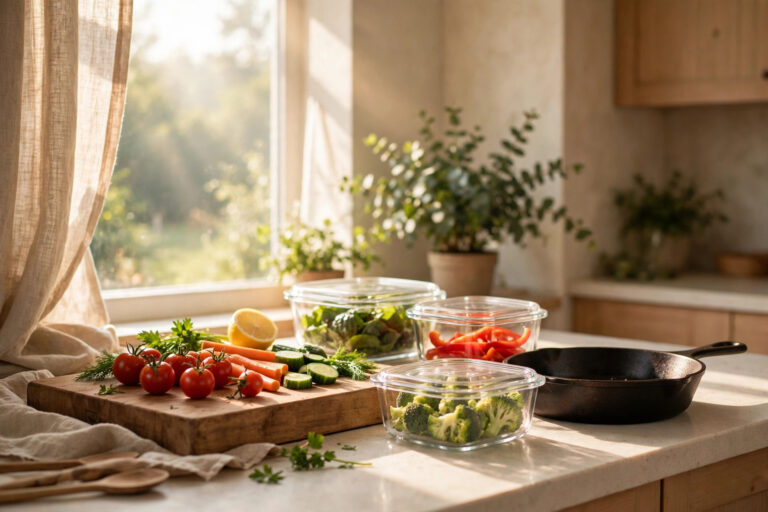
The Pyrex Simply Store 18-Piece Glass Food Storage Set is the set we already recommend in our food storage guides, and Christmas is its busiest week: nine glass containers in the sizes leftovers actually come in, from the 1-cup gravy portion to the 7-cup turkey soup pot. The glass is preheated-oven, microwave, freezer and dishwasher safe, it does not stain or hold last week’s curry smell, and guests can take a container home without you playing Tupperware repo in January.
The honest catch is printed right in the spec table: the lids are BPA-free plastic. That is fine, as long as they do the one job they are good at, sealing a cooled container in the fridge. Keep lids out of the microwave, do not snap them onto steaming food, and never let them touch the food itself. For the full system, sizes, and what to do about lids long-term, read our glass food storage containers guide and the wider plastic-free food storage guide.
Add Us as a Preferred Source on GoogleOne tap, and our guides show up first in your Google results →
Christmas Table Questions
Is melamine really a problem if we only use it on holidays?
The 2013 JAMA Internal Medicine study measured melamine in urine after a single meal of hot soup, so yes, one hot meal is enough for measurable migration. That is not the same as proven harm from occasional use, and the study’s own authors were careful about that. Our take is simple: melamine’s worst case is hot, acidic, long-contact food, which is a precise description of Christmas dinner. Everyday cold use is a different risk picture. Serve the hot food on glass and keep the melamine, if you keep it, for the picnic.
Should I stop using my grandmother’s china?
Not stop, but assign it the right jobs. The FDA’s longstanding guidance is that lead in some older, traditional and brightly decorated ceramic glazes can leach into food, with acidic foods and long storage pulling the most. Intact, modern, brand-name china made for the US market is a low concern. The heirloom pieces of unknown age and origin are best used for bread, cookies and display, with the cranberry sauce and anything steaming served from modern glass instead. Chipped or crazed glaze retires a piece from food duty entirely.
Glass, ceramic or stoneware: which is best for the big meal?
All three beat plastic and melamine comfortably, so choose on practicality. Tempered and laminated glass (Corelle, Duralex) is the lightest, most chip-resistant and easiest to store, and it is what we would buy first. Modern glazed stoneware and porcelain are beautiful and heavy, and hold heat well, at the cost of chips and cabinet space. Our honest ranking for a family that hosts: glass for the plates and bowls, wood for the carving, stoneware where you already own and love it.
What about disposable plates for a big crowd?
We get it: twenty guests and one dishwasher. If paper is the only sane option, choose plain, uncoated paper or the molded-fiber plates certified compostable, and know that some molded-fiber products have historically used PFAS grease-proofing, which is now being phased out and banned for food packaging in several states. What we would skip entirely is the plastic and foam plate for hot food: the heat and fat case above applies to a plate you use for twenty minutes, too. Glass for twelve and paper for the overflow beats plastic for twenty.
Keep Reading
- Still shopping for the people around the table? The non-toxic Christmas gift guide has 90 low-plastic picks by recipient.
- The candles on this table: non-toxic Christmas candles and safer holiday scents, in beeswax and soy.
- Wrapping after dinner: plastic-free gift wrapping without glitter or plastic tape.
- The year-round system behind the leftovers section: our plastic-free food storage guide.