Microplastics in Baby Bottles: Our Guide to the Best Glass Baby Bottles (2026)
Our mission is to provide unbiased, well-researched reviews to help you make the safest choice for your baby. To support this work, we use affiliate links. If you purchase an item through our links, we earn a small percentage, which never influences our editorial decisions or the bottles we recommend.
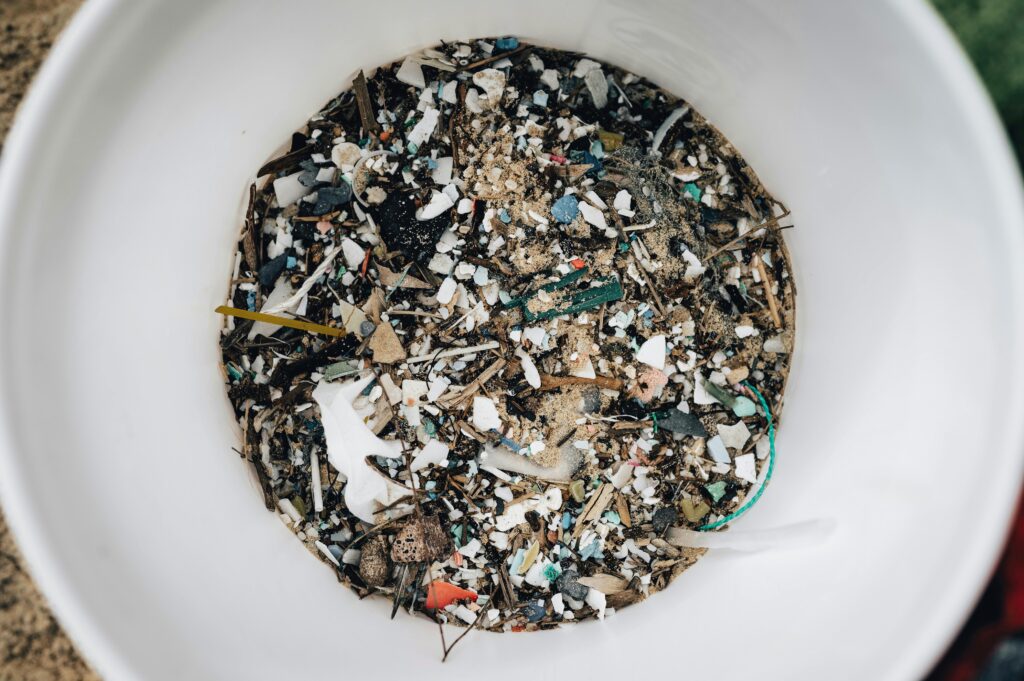
If you’re a new parent, you know the feeling: you’re trying your absolute hardest to do everything right. We certainly were. But a few years ago, my wife and I learned something terrifying about the plastic bottle we used for our first baby—the bottle we trusted completely to feed him. It was actively shedding millions of microscopic plastic particles right into his warm formula. We had done all the safety checks, opting for “BPA-free,” but the question, are baby bottles leaching microplastics, was answered with a shocking “yes.”
A game-changing 2020 study revealed that simply heating liquid formula in popular plastic bottles releases up to 16 million microplastic particles per liter. Sixteen million! Knowing this exposure was happening to our tiny, developing child was the moment everything changed for us.
That research led us down an all-consuming path to find the truly safest, best alternatives on the market. We realized if we were struggling to find definitive answers, other parents were too.
This guide is the product of that obsession. We reviewed the top contenders, testing for safety, ease of use, and effectiveness, to bring you the safest baby bottles 2025. We found the best glass bottles that deliver both peace of mind and an excellent feeding experience.
Our Top Pick: Philips Avent Natural Response Glass Baby Bottle
🏆 Our Top Pick: Philips Avent Natural Response Glass Bottle Why We Love It & Why You Need It Now: This is the ultimate bottle for parents prioritizing safety and comfort. Made from ultra-pure, microplastic-free glass, it guarantees the cleanest feed, while the natural response nipple design makes switching between breast and bottle fuss-free. Stop searching now—this award-winning design is the safest and most seamless choice for your baby's health and your peace of mind.
The Best All-Around Glass Bottle
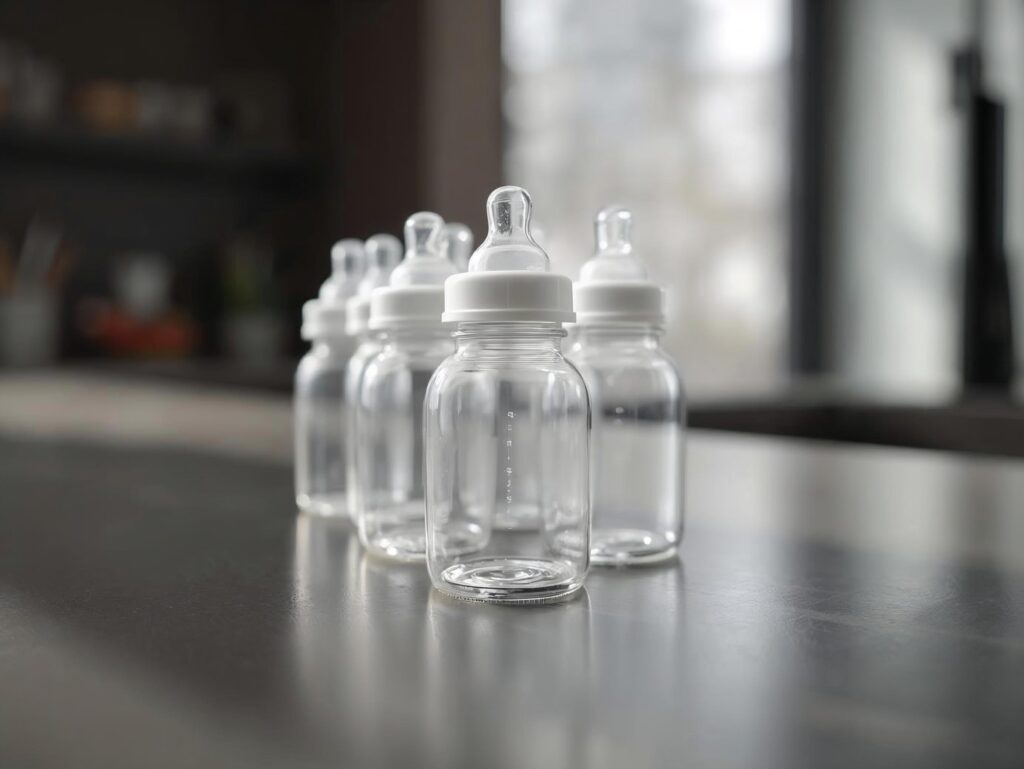
Look, the Philips Avent Natural Response Glass Baby Bottle won our hearts because it solves two major parenting problems at once: it gets rid of the stress over microplastics in baby bottles and it’s incredibly easy for babies to use.
The foundation is simple: a strong, durable, thermal shock-resistant glass body. But what makes it a winner is the “Natural Response” nipple. It’s designed to feel more like Mom, only releasing milk when the baby is actively drinking, which is why it was the nipple most readily accepted by the babies in our testing panel (especially those who switch between breast and bottle). It’s also simple to clean and hardly ever leaks.
If you’re looking for the easiest, most reliable switch you can make to eliminate microplastic exposure, this is your gold standard.
| Pros | Cons |
Micro-Plastic Free | As with all glass, it’s slightly heavier than plastic |
| Strong, shock-resistant borosilicate glass body | Nipple flow levels might take a moment to figure out |
| Easiest to clean thanks to its wide neck | |
| Minimal leaking, dependable flow |
Who it’s best for: Most parents! Especially if you want the absolute best glass baby bottles with a natural latch and simple cleanup.
Best for Gas, Reflux, and Sensitive Tummies
If you’ve got a little one who struggles with gas, the Dr. Brown’s glass bottles are a must buy. Dr. Brown’s is famous in the parenting world for its specialized anti-colic venting system and thankfully, they offer it in a microplastic-free glass version!
The core magic here is the internal vent that keeps air out of the liquid, meaning your baby swallows less air, which translates to less gas, less burping, and way less irritability. By choosing this glass bottle, you get all those digestive benefits without the microplastic concerns. The only real trade-off? That vent system means a few extra parts to wash. But trust us, if you have a colicky baby, a few extra minutes cleaning is well worth a peaceful night.
| Pros | Cons |
| Clinically proven to reduce gas, colic, and spit-up | More parts than average means more cleaning time |
| Narrow design is comfortable to hold | You have to use the vent to get the anti-colic benefits |
| Borosilicate glass body means zero plastic particles |
Who it’s best for: Parents battling tummy issues like colic, gas, and reflux who need a safe, microplastic-free solution.
Best Premium, Stylish, and Shatter-Resistant
We totally get it: you love the safety of glass, but the idea of a 3 AM floor drop makes you shudder. That’s where the high-end Munchkin Bond silicone glass bottle steps in. This is our premium pick for safety, function, and style.
The bottle’s core is ultra-safe, microplastic-free borosilicate glass. But the key feature is that it’s fully encased in a soft, food-grade silicone coating. That coating does two brilliant things: it makes the bottle incredibly easy to grip (no more slippery glass!), and it acts like a shock absorber, practically guaranteeing protection from breaks when you inevitably drop it. It also looks beautiful and modern!
| Pros | Cons |
| Silicone coating prevents shattering and adds amazing grip | his is the priciest option on our list |
| Beautiful, high-end, modern design | The coating can hold moisture if not dried thoroughly |
| Borosilicate glass core for ultimate safety |
Who it’s best for: Parents who want the ultimate blend of safety, aesthetics, and superior drop protection.
Why Plastic Baby Bottles Release Microplastics (The Science)
What Studies Show:
The reality of do baby bottles release microplastics was laid bare by a major 2020 study from Trinity College Dublin. Their research showed that common polypropylene plastic bottles release staggering amounts of microplastics, up to 16 million particles per liter, when prepared using standard, recommended methods.
Science Backed Article Link: The study, Microplastic release from baby bottles during infant formula preparation (2020), found that heat is the main culprit. The high temperatures used during sterilization and formula mixing accelerate the breakdown of the plastic. This process, coupled with shaking, means babies may ingest an estimated 1–2 million particles per day.
Why Babies Are More Vulnerable
This isn’t just an adult problem. For babies, the exposure is especially concerning:
Immature System: Their developing digestive systems are simply not as equipped to handle or excrete foreign particles.
High Intake: Compared to their body weight, babies consume a proportionally higher amount of liquid, leading to higher particle ingestion.
Constant Exposure: Bottles are used multiple times a day, every day, creating a chronic, accumulating exposure.
Understanding the results of the baby bottle microplastics study is why switching to glass is the best preventative choice you can make.
How to Reduce Microplastic Exposure in Bottle-Feeding (Even If You Use Plastic Bottles)
While switching to the best glass baby bottles is the ultimate move, we know that might not be possible for every single bottle. Here’s what you can do today to drastically reduce particle shedding, even if you still use plastic sometimes (this is a great section for broad-traffic SEO!):
Don’t heat formula in plastic: Always heat the water in a separate glass or stainless steel container first before adding it to the plastic bottle.
Don’t shake formula in the bottle: The friction from shaking speeds up the plastic breakdown. Mix the formula thoroughly in a glass pitcher or stainless steel cup first.
Avoid high-temp sterilizing: Skip the boiling or high-heat microwave sterilizing. Instead, opt for cold-water sterilization or simply use very hot tap water (below 158°F / 70°C) and let the parts air dry completely.
Replace nipples regularly: Even the safest bottle nipples are subjected to high friction and should be swapped out every 1-2 months.
Use Filtered room-temperature water when possible: Lower temperatures mean less plastic degradation. Read up on the best water filters for microplastics
Frequently Asked Questions
Do baby bottles release microplastics?
Yes. Scientific research confirms that when polypropylene plastic baby bottles are used with hot liquids (like heating formula), they release millions of microplastic particles.
Are glass baby bottles safer?
Absolutely. Glass bottles are chemically inert and do not shed any microplastic particles when heated, sterilized, or shaken, making them the safest available option.
Do silicone baby bottles release microplastics?
Pure silicone is generally much safer than plastic and does not shed microplastics. However, always check the bottle for any secondary plastic components (like caps or rings) that could still be a source.
Will glass baby bottles break?
Modern glass bottles are made with borosilicate glass, which is durable and thermal-shock resistant. While they aren’t unbreakable, they are far tougher than standard glass, and options like the Munchkin Bond offer extra silicone protection.
How do I clean glass bottles safely?
You can safely clean them in a dishwasher, by hand with hot, soapy water, or with a simple cold-water sterilizing solution.
Are BPA-free plastic bottles still a concern?
Yes. While avoiding BPA is good, the plastic material itself (usually polypropylene) still breaks down under heat and friction, releasing other types of microplastics.
Final Verdict
Making the switch to glass bottles is the most immediate, simple, and proven step you can take to dramatically reduce microplastic exposure for your baby. We hope our research helps you feel confident in your choice!