Best Plastic-Free Beauty Products That Actually Work
This post contains affiliate links. If you buy through them, we may earn a small commission at no extra cost to you. We only recommend products we would use in our own homes.
Most people who start worrying about microplastics head straight to the kitchen. They swap the water filter, toss the plastic food containers, maybe replace the cutting board. The bathroom shelf stays untouched. That’s a mistake. Switching to plastic free beauty products is one of the highest-impact steps you can take, and one of the most overlooked. Many people begin their morning routine by touching a plastic pump, squeezing plastic tubes, and applying products that contain plastic-derived synthetic polymers not as contaminants, but as listed ingredients. The beauty routine is one of the most underexamined microplastic exposure pathways, and it’s one we cover in depth at Protect Your Family From Microplastics.
The good news: the market for genuinely plastic-free beauty products has matured significantly as of 2026. There are real options across most steps of a routine, from the shower to the makeup bag, though a few categories (mascara, for example) still have meaningful gaps. This guide covers what to buy, how to verify claims, where to shop in the U.S., and how to make the switch without overhauling everything at once.
Quick Answer: The Fastest Path to a Plastic-Free Routine
Short on time? Here is what matters most:
- Start with shampoo. It is the easiest, highest-impact swap. HiBAR shampoo bars and Ethique bars are the two most widely available options and come in paper packaging.
- Check two things on every product: the packaging AND the ingredient list. A glass jar can still hold a formula full of plastic-derived polymers.
- Scan labels for polyethylene (PE), acrylates copolymer, carbomer, and nylon-12. These are plastic ingredients added on purpose.
- Trust certifications, not marketing words. Look for flustix PLASTIC FREE, OK Compost Home, or Control Union Plastic Free Standard logos. “Eco-friendly” and “sustainable” have no legal definition in the U.S.
- Replace products as you finish them. No need to throw out a full bathroom shelf on day one.
Why your beauty routine is a bigger microplastic source than you think
Plastic packaging doesn’t just hold your products. It degrades into them. Bottles, pumps, and caps exposed to heat (bathroom shelves get warm, cars get hot) may leach synthetic compounds into the liquids they contain, particularly in older containers and anything left in direct sunlight. Some research suggests this pathway is more than theoretical, and it affects liquid products most directly because of higher contact surface area between product and container. If you want to dig into the underlying science, the peer-reviewed literature on microplastic contamination in cosmetics is a useful starting point.
The packaging problem is only half the story. Ingredients like polyethylene (PE), acrylates copolymer, and carbomer are plastic-derived synthetic polymers added intentionally to foundations, lip products, exfoliants, and hair care. They function as thickeners, film-formers, and exfoliants. A product in a glass jar can still deliver a meaningful dose of microplastics through the formula itself. That distinction matters when you’re making swaps. Nylon-12 is another ingredient worth flagging on labels, as it appears frequently in cosmetic formulations as a texture agent.
Add it up across a typical routine: cleanser, toner, moisturizer, SPF, shampoo, conditioner, and makeup. That’s seven product categories or more, applied directly to skin and scalp, daily. The cumulative load is the real concern, not any single product. And unlike kitchen exposure, which often involves ingestion, beauty product exposure may occur through potential skin contact and inhalation of airborne particles from sprays and powders, routes that researchers are continuing to study.
What “plastic-free” actually means on a beauty label
This is where most buyers get tripped up, and it’s worth getting right before spending money. “Plastic-free” can refer to the packaging, the formula, or both. These are separate claims, and a product can be clean on one dimension while failing the other. A shampoo bar in compostable paper packaging might still contain acrylates copolymer. A glass-bottled serum might have a plastic pump and a formula full of carbomers. Evaluate both independently.
Third-party certifications are the most reliable shortcut. For packaging, the flustix PLASTIC FREE certification (issued through DINCERTCO and audited by TUV Rheinland) sets a maximum of 0.75% synthetic polymers, one of the more rigorous standards available. OK Compost Home from TUV Austria confirms that packaging breaks down in a backyard compost bin within approximately 180 days, not just in industrial facilities. FSC certification validates that paper and cardboard packaging uses sustainably sourced materials. The Control Union Plastic Free Standard covers packaging, product, and material scopes together, making it the most comprehensive single certification to look for when evaluating plastic-free skincare and other personal care products. New industry standards are also emerging, see BioAgriCert’s plastic-free certification management system for one example of how certification frameworks are evolving.
Self-declared terms like “eco-friendly,” “biodegradable,” and “sustainable” have no legal definition under U.S. law. The FTC’s Green Guides provide some guardrails, but enforcement is limited. Treat unverified language as marketing copy, not a product specification. Common greenwashing patterns include vague sustainability language without any certification logo, packaging labeled “made with recycled materials” that still uses virgin plastic caps and pumps, and brands claiming plastic-free formulas without ingredient list transparency. If a brand won’t show you the full ingredient list, that’s the answer.
Cleaner beauty and more
From skincare and body care to the everyday beauty items we reach for most, we keep our favorite lower-plastic picks in one place, so you can spend less time reading labels and more time feeling good.
See Our Non-Toxic Picks →Best plastic-free beauty products by category
Shampoo and conditioner
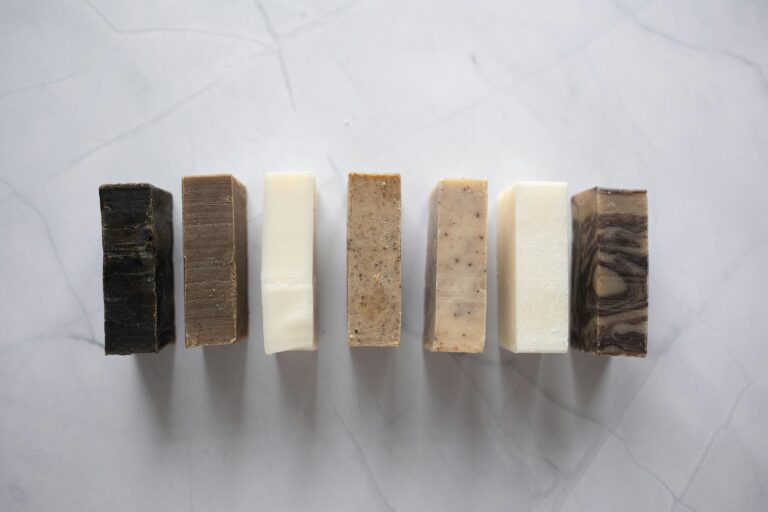
This is the most developed category and the highest-impact swap for most people, simply because of bottle size and purchase frequency. HiBAR (paper-packaged solid bars) and Ethique (compostable packaging) are the two most widely available U.S. brands with full lines covering multiple hair types. For people who prefer a liquid format, Plaine Products offers shampoo and conditioner in refillable aluminum bottles with a return-and-reuse system that eliminates packaging waste entirely. Expect a week or two of adjustment as your scalp recalibrates after switching from sulfate-heavy liquids. Shampoo bars perform best for normal to oily hair; curly or very thick hair tends to need a moisture-rich bar formula or the Plaine Products liquid option.
Face cleansers and moisturizers
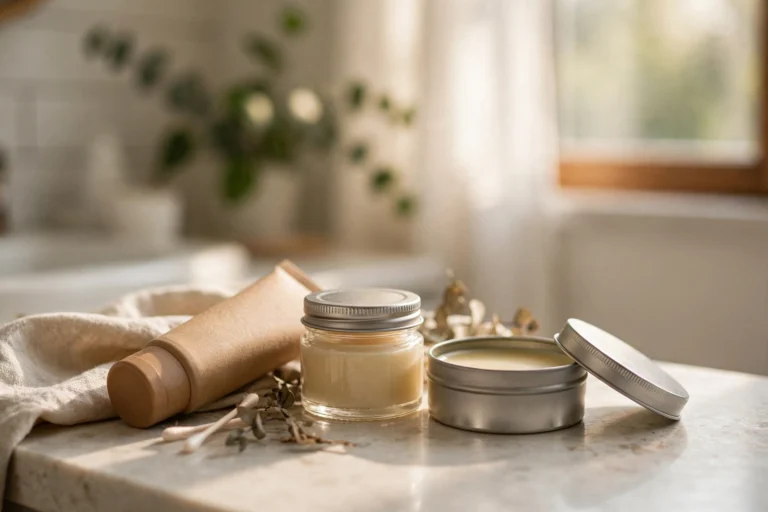
Ethique’s Gentle Solid Face Cleanser covers the bar format for those comfortable with solid cleansers. Activist’s Botanical Cleansing Oil comes in a glass bottle and suits people who prefer an oil-based texture. Dew Mighty offers powdered cleansers in paper refills, which perform well for travel and generate almost no waste. For moisturizing, oil-based serums and balms in glass jars are the most widely available plastic-free skincare format in 2026; solid moisturizer bars exist but remain a smaller part of the market. Upcircle’s Cleansing Face Balm in a glass jar with an aluminum lid is a solid starting point for anyone new to microplastic-free cosmetics. If you want a broader shopping list focused specifically on solid cleansers, check the best plastic-free face wash bars and cleansers roundup for options and reviews
Zero-waste makeup
Axiology Balmies are the standout product in this category: FSC-certified paper-wrapped 3-in-1 crayons that work on eyes, lips, and cheeks, with compostable carrying cases. They run approximately $14 to $18 and cover multiple use cases with minimal packaging. River Organics handles blush sticks, lip balms, and highlighters in compostable paper tubes. Elate Cosmetics offers bamboo-cased concealers with paper-wrapped refills at accessible price points ($10 to $14). Mascara remains the hardest category in plastic-free makeup; no fully plastic-free mascara tube exists yet at scale. Refillable metal cases from brands like Kjaer Weis are the most plastic-reduced option currently available, though they carry a higher upfront cost ($35+).
Sunscreen and personal care
Plaine Products covers SPF in the same refillable aluminum system as their hair care. Davids handles toothpaste in recyclable metal tubes, which is a clean swap from the standard plastic tube. Leaf razors provide a lifetime plastic-free shave through a metal handle that accepts standard double-edge blades. These categories benefit most from the “buy once, refill or use indefinitely” model, where the upfront cost is higher but the per-use cost drops sharply over time.
| Product | Replaces | Plastic-Free Packaging | Best For |
|---|---|---|---|
| HiBAR Shampoo Bars | Bottled shampoo | Paper box | The easiest first swap, with bars for most hair types |
| Ethique Shampoo Bars | Bottled shampoo and conditioner | Home-compostable box | Wide range of formulas, including fragrance-free for sensitive scalps |
| Plaine Products Shampoo + Conditioner | Bottled liquid hair care | Refillable, returnable aluminum bottles | Anyone who prefers a liquid format, and curly or thick hair |
| Ethique Gentle Solid Face Cleanser | Pump or tube face wash | Compostable box | Balanced to dry skin, first-time bar users |
| Upcircle Cleansing Face Balm | Makeup remover and oil cleansers in plastic | Glass jar with aluminum lid | Removing makeup and SPF, sensitive skin |
| Axiology Balmies Trio | Lipstick, blush, and eye color in plastic tubes | Paper-wrapped crayons, compostable case | A full face of color from one 3-in-1 product |
| River Organics Blush Stick (Bloom) | Cream blush in plastic compacts | Compostable paper tube | An everyday rose shade that works on most skin tones |
| Davids Toothpaste (Peppermint) | Plastic toothpaste tubes | Recyclable metal tube | A simple daily swap the whole family uses |
| Leaf Razor | Disposable and cartridge razors | All-metal handle, buy once | A lifetime plastic-free shave with cheap blade refills |
Prices and availability can change. We may earn a commission if you buy through these links, at no extra cost to you.
Where to buy plastic-free beauty products in the U.S.
Online is still the most reliable channel for most shoppers. Zero Waste Store and Package Free Shop carry the broadest curated selections and ship nationally. EarthHero has a strong vetting process and carries verified brands across categories. Credo Beauty operates as a specialty clean beauty retailer with a dedicated plastic-free collection and knowledgeable curation. For specific brands, buying direct from HiBAR, Ethique, Plaine Products, and Axiology gives access to bundles, subscription refills, and occasionally better pricing than third-party retailers. For a quick list of leading U.S. options and brands, see this top 10 plastic-free beauty and personal care brands in the USA.
Physical retail availability is limited but improving, and pricing varies enough to factor into your plan. A handful of brands have reached natural grocery stores and Whole Foods locations, primarily in the shampoo bar and solid cleanser categories, but for most shoppers outside major cities, online retail is the more practical route. Shampoo and conditioner bar duos run $15 to $32. Zero-waste makeup items land between $14 and $38 depending on brand and format. Refillable aluminum systems carry a higher upfront cost ($28 to $45) but a lower per-use cost over time because the product is concentrated and lasts longer. Pricing reflects data from mid-2026 and may fluctuate; buying direct from brand websites typically offers the most current information. Starter kits from most brands offer 15 to 25% savings versus buying items separately, which makes them a reasonable entry point when you’re testing a new format.
How to switch without scrapping everything at once
The replace-as-you-finish method works better than a full bathroom overhaul, for both budget and habit reasons. Finish what you have, then replace it with a plastic-free version. This spreads cost over time, avoids waste, and gives you a chance to learn one new product format before adding another. Shampoo is the logical first swap: the category has the most options, the impact is high, and once you find a bar that works for your hair type, the transition is essentially done. For a detailed step-by-step plan covering each room, see our Reduce Microplastics in Your Home: A Room-by-Room Guide to 25+ Simple Swaps.
If your primary goal is reducing microplastic exposure rather than just cutting packaging waste, prioritize formula ingredients first. Check for polyethylene and acrylates copolymer on the ingredient list before worrying about whether the bottle is glass or paper. Packaging and formula are both important, but formula ingredients are what your skin and scalp contact directly. A two-filter approach, checking both formula and packaging, cuts more actual exposure than an aesthetically “green” swap that only addresses one dimension.
The plastic-free beauty space has a real greenwashing problem. Brands often invest more in sustainability marketing than in third-party certification, and testing every brand yourself is expensive and time-consuming. The curated picks at Protect Your Family From Microplastics are vetted against both packaging standards and ingredient lists using the certification criteria outlined in this guide, so you can skip much of the trial-and-error phase and start with products that have already been screened. That’s the point of having a focused resource in this space. For further reading on certification options and how brands can be certified, see Formulabotanica’s guide to beauty brand certification. You can also browse the site category dedicated to plastic-free options under our Beauty & Clothing section.
Frequently Asked Questions
Are plastic-free beauty products really free of microplastics?
Not always. “Plastic-free” can describe the packaging, the formula, or both, and brands do not always say which one they mean. A product in compostable paper can still contain plastic-derived ingredients like acrylates copolymer. To cover both, check for a third-party certification on the packaging and scan the ingredient list yourself.
What ingredients should we look for on the label?
The four most common plastic-derived ingredients in beauty products are polyethylene (PE), acrylates copolymer, carbomer, and nylon-12. They show up in foundations, exfoliants, lip products, and hair care as thickeners, film-formers, and texture agents. If one of these appears on the label, the formula contains synthetic polymers even if the packaging is plastic-free.
Do shampoo bars actually work as well as liquid shampoo?
For most hair types, yes, after an adjustment period of a week or two while your scalp recalibrates from sulfate-heavy liquids. Bars work best for normal to oily hair. Curly or very thick hair usually does better with a moisture-rich bar formula or a refillable liquid option like Plaine Products.
Which certifications actually mean a product is plastic-free?
The three worth looking for are flustix PLASTIC FREE (packaging, capped at 0.75% synthetic polymers), OK Compost Home from TUV Austria (backyard compostable within about 180 days), and the Control Union Plastic Free Standard, which covers packaging and product together. Terms like “eco-friendly” and “sustainable” have no legal definition in the U.S., so treat them as marketing, not proof.
Is there a plastic-free mascara?
Not yet, at least not at scale. Mascara is the hardest category in plastic-free makeup because no fully plastic-free tube exists on the mainstream market. Refillable metal cases from brands like Kjaer Weis are the most plastic-reduced option available today, though they cost more upfront ($35 and up).
Do we need to replace everything at once?
No, and we would not recommend it. The replace-as-you-finish method spreads the cost over time, avoids wasting products you already own, and lets you get comfortable with one new format before adding another. Shampoo is the best place to start because the category has the most options and the biggest impact.
The bottom line on plastic-free beauty in 2026
Plastic free beauty products in 2026 are no longer a compromise in most categories. The market has real, tested options across the majority of a daily routine, with genuine certifications to back the claims. The key is knowing what to verify: look for flustix PLASTIC FREE, OK Compost Home, or Control Union certification on packaging, then scan ingredient lists for polyethylene, acrylates copolymer, and carbomers in the formula. Those are two separate checks, and both matter. Shop through vetted U.S. retailers or brand-direct, and use starter kits to manage upfront costs.
Microplastic exposure through beauty products is one of the more actionable categories to address because the swaps are specific and available now. You don’t need to overhaul everything at once. Pick one product, get comfortable with it, then replace the next one. Readers who want a pre-vetted starting point can go straight to the Protect Your Family From Microplastics plastic-free beauty section, where products are screened against both packaging and ingredient standards. For a broader look at reducing exposure across diet, drinking water, and household items, consult our How to Avoid Microplastics in Your Food, Water, and Home guide. Start with shampoo. Go from there.